People Sustainability & Strategy
Your people are one of your biggest investments.
We help you get more from them, by finding and cutting hidden people costs and improving how your workforce performs.
People Sustainability & Strategy
Your people are one of your biggest investments.
We help you get more from them, by finding and cutting hidden people costs and improving how your workforce performs.
Absenceis more than a percentage.
Turnoveris more than a KPI.
Pressureis more than a bad week.
Behind every number is a human being.
Experience across demanding organisations
 British Army
 Met Police
 Furama
 BritCham
 Eastridge
People costs hide in plain sight.
What is it costing your business?
The number tells you what it costs. It doesn’t tell you why.
$310K–$576K
Estimated hidden people cost, a year
across 750 people, before it ever appears as a single line on a report.
Turnover
Replacement, hiring and ramp-up costs associated with people who leave.
Absence
Working days lost above a healthy benchmark, and the cover they require.
Lost capacity & disengagement
The productivity gap between people who are present and people who are engaged.
Wasted spend
Benefit and wellbeing expenditure with little measurable return.
Illustrative model anchored to a reference team of 750 people at an average salary of $60,000. Each figure scales with your inputs.
People Sustainability
What is People Sustainability?
People Sustainability is an organisation’s ability to develop, support and retain a healthy, capable and productive workforce over time. It recognises that long-term business performance depends not only on attracting the right talent, but also on creating the conditions for people to perform sustainably throughout their working lives.
AI is changing every industry, and it’s changing how people work. Staying sustainable means looking after your people, your leaders and your culture while that happens, not after.
We think AI should help you be more human at work, not less. Let it take the admin, so leaders have time for the conversations that keep good people. AI is a tool, and your people are the business.
It covers:
- Keeping good people, and the cost of losing them
- Absence, burnout and lost capacity
- Leaders and managers who can keep a sustainable pace
What affects your people affects your business. How we work: Identify, Develop, Sustain. Three steps, working with both the organisation and the people inside it.
Step 1: Identify.
We start by finding where pressure is building and what it’s costing you. Pulse, our confidential survey, and short diagnostics show the hidden people costs team by team.
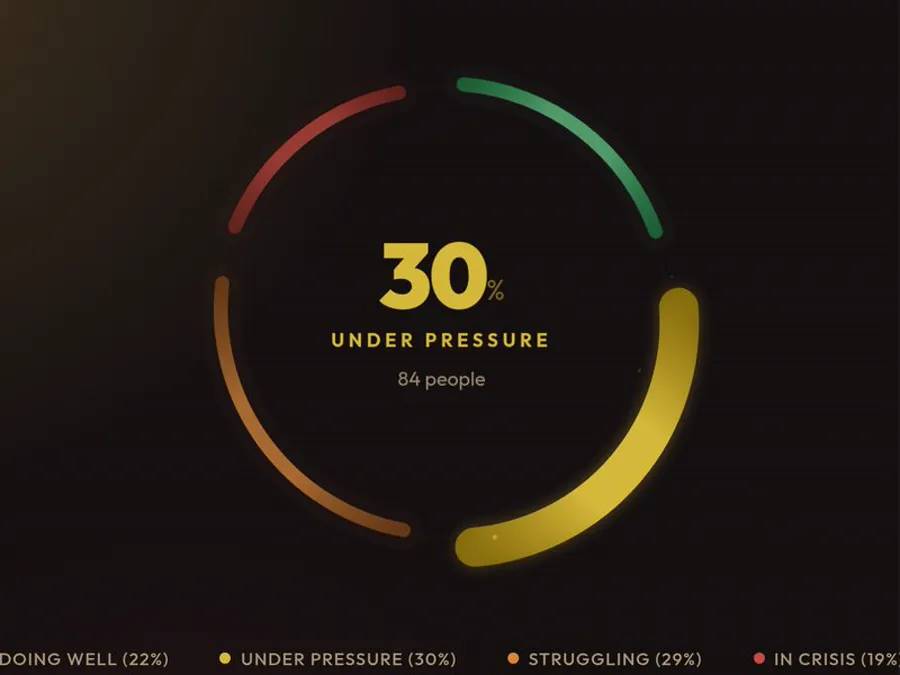
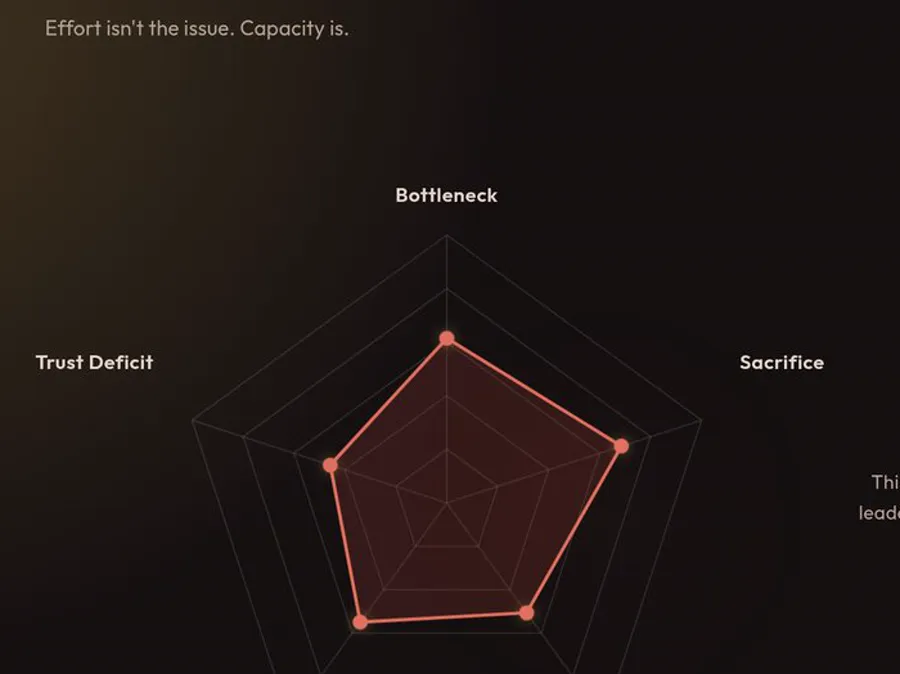
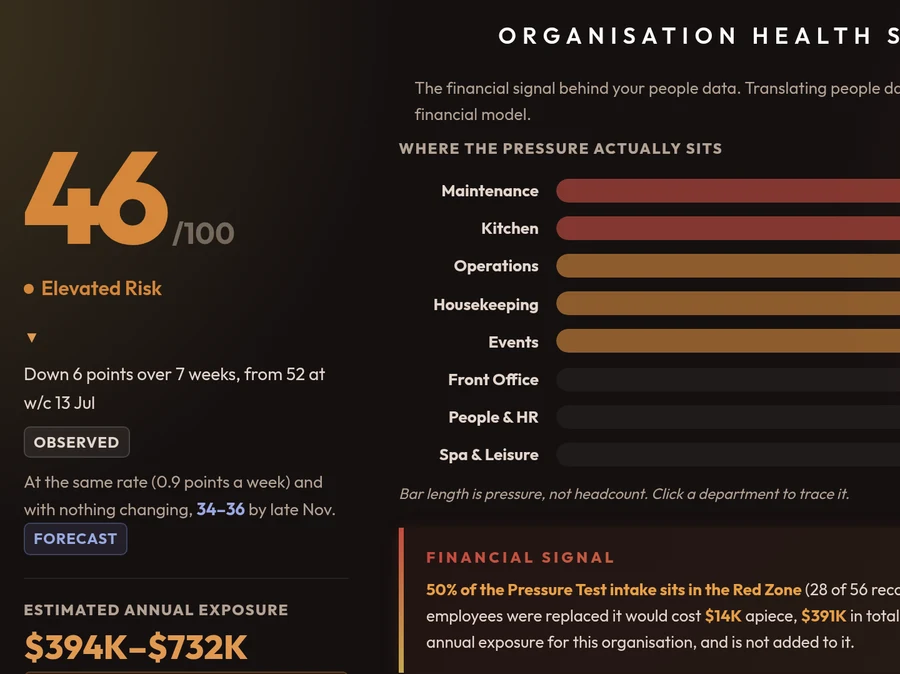
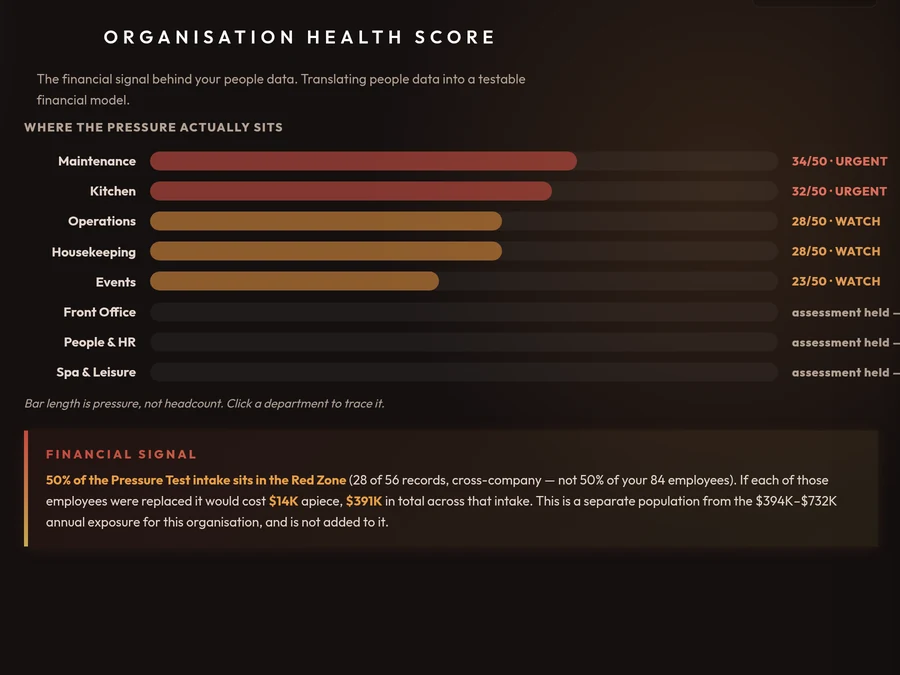
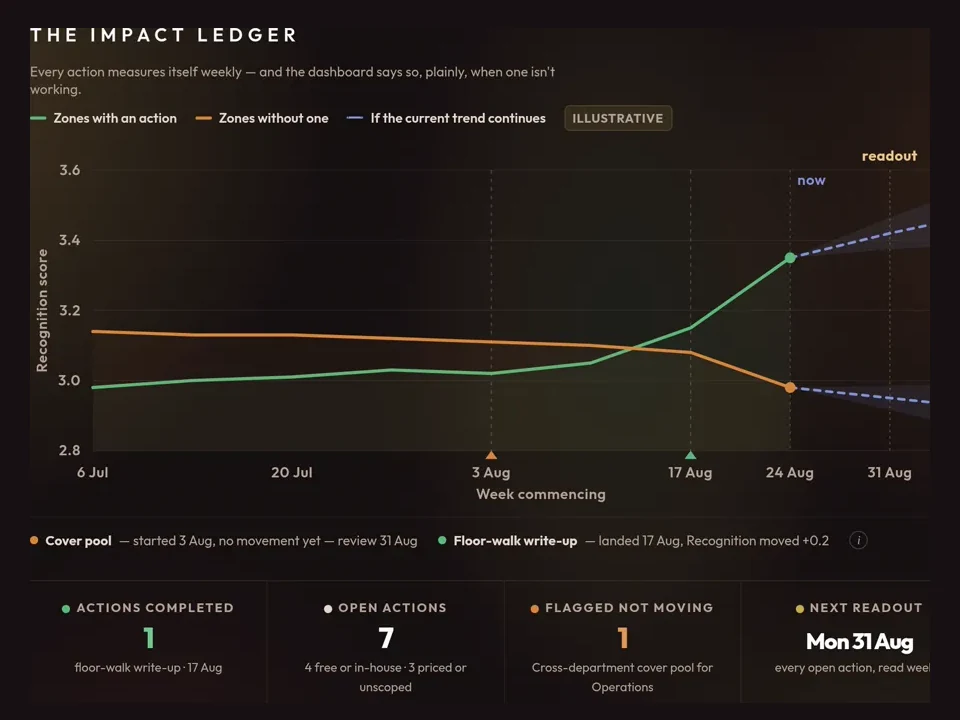
Once we can see it clearly, we know exactly where to act.
Step 2: Develop.
Next, we put the right support where the data points. That can be leadership development, executive coaching, workshops, or Built To Last, our 12-week programme for the whole person.
What we do depends on what the data shows.
We look at what your people data actually shows and help you decide what matters most. No dashboard for its own sake, just priorities and the changes to back them.
Tap to closeOne to one coaching with our executive leadership expert, designed around your specific situation and needs.
Tap to closeWe sit down with your team to understand what’s going right and what’s going wrong within your culture. Then we come up with a course of action to make it better.
Tap to closeHands-on sessions built around the specific issue your team is facing right now. No generic training day, no filler.
Tap to closeBuilt To Last is our 12-week programme that works on your mind, body, behaviour, connection and purpose, so the change actually sticks.
Tap to closeImmersive retreats that get your leadership team out of the day to day, away from the business, to reset and reconnect properly.
Tap to closeThe founders
Meet Daniel and Lily.
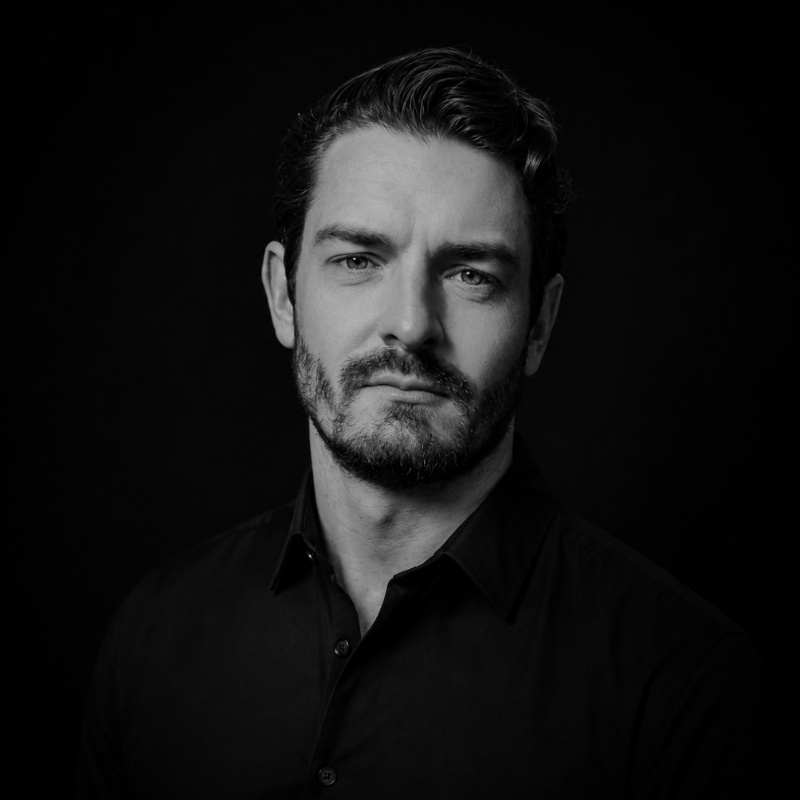
Army Commando Officer · Defence Health & Wellbeing · Coach
Daniel built and lost a multi-million-pound business in his early twenties, then rebuilt through personal training and coaching.
He spent nearly a decade as an Army Commando Officer, leading soldiers through operations, deployments and demanding environments, then served as a Defence Health & Wellbeing Adviser and Level 4 nutritionist across a 3,000-person organisation.
Daniel’s path into Centrepoint was anything but linear.
In his early twenties, he built a multi-million-pound business, then lost it and found himself homeless. He rebuilt through personal training and life coaching.
He spent nearly a decade as an Army Commando Officer, commanding a squadron of around 300 spread across 17 countries. His last post was at Sandhurst. He was an Assistant Chief Instructor there, teaching new officers to lead. He later became a Defence Health & Wellbeing Adviser and qualified Level 4 nutritionist, working across a 3,000-person organisation to support health, resilience and deployability.
That combination of lived experience, coaching and organisational leadership now shapes his work at Centrepoint: understanding the human behind the performance, not just the metrics.
Outside Centrepoint
Daniel competes in Brazilian Jiu-Jitsu, coaches adults’ and kids’ classes, and runs a men’s circle in central Vietnam.

Corporate Talent · Human Health · People Coach
Lily began in international recruitment and talent acquisition inside FTSE-listed businesses, seeing first-hand how organisations make decisions about people.
She then moved deeply into human health and behaviour, training across yoga, Ayurveda, naturopathy and movement.
Lily’s work sits at the intersection of people, health and behaviour.
She began her career in international recruitment and talent acquisition, working inside FTSE-listed businesses and seeing first-hand how organisations make decisions about people.
She later moved deeply into human health and development, training across yoga, Ayurveda, naturopathy, movement and wellbeing coaching. That combination now shapes her work at Centrepoint: helping organisations understand the individual behind the data and giving people the health literacy, self-awareness and knowledge needed to create lasting change.
Outside Centrepoint
Lily runs a women’s circle, is passionate about natural women’s health, and homeschools her children. Together with Dan, she runs couples workshops.
The people who built the Centrepoint Method are the people who deliver it.
Meet Daniel & Lily →

The whole human
The human does not reset at 9am.
Work affects life.
Life affects work.
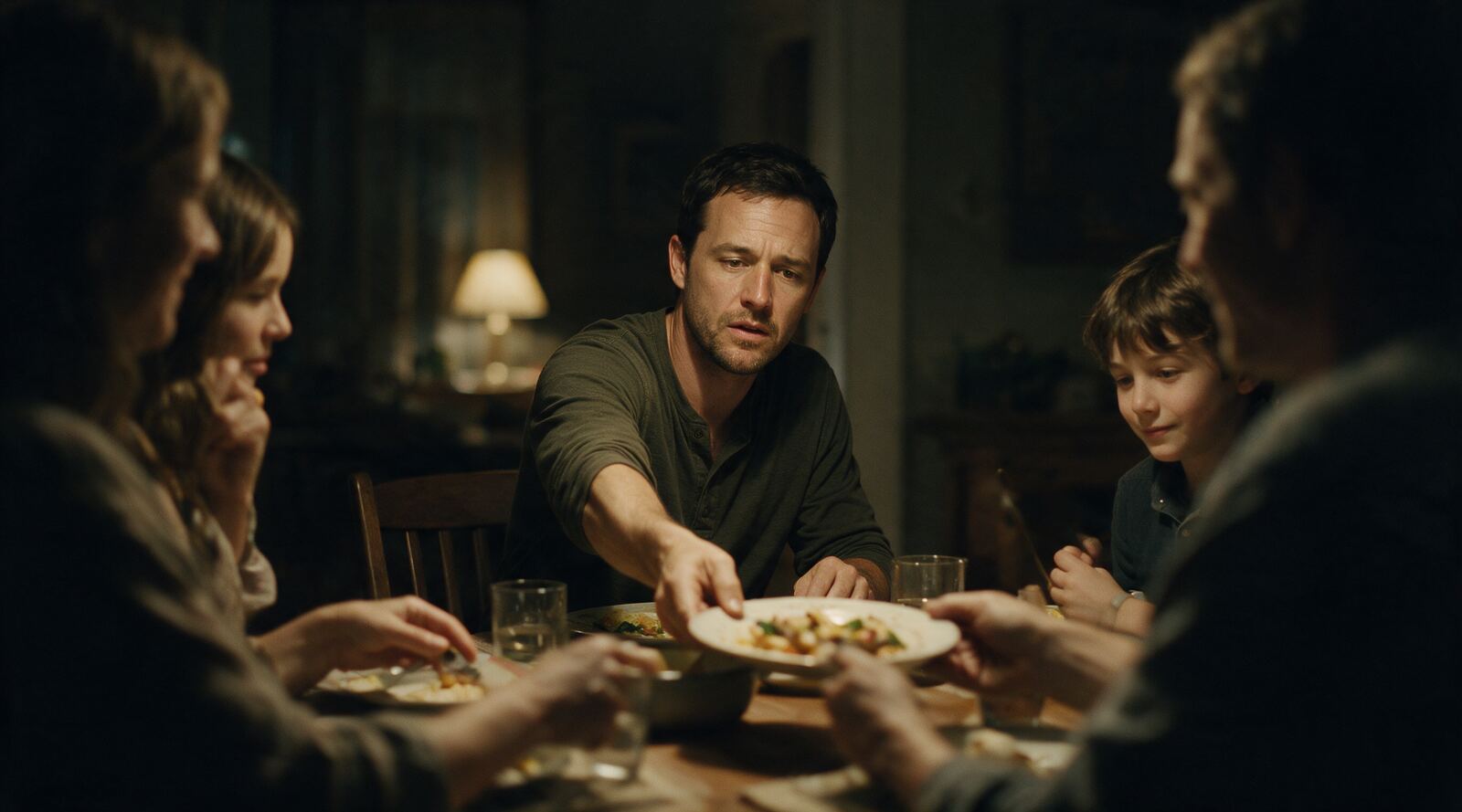
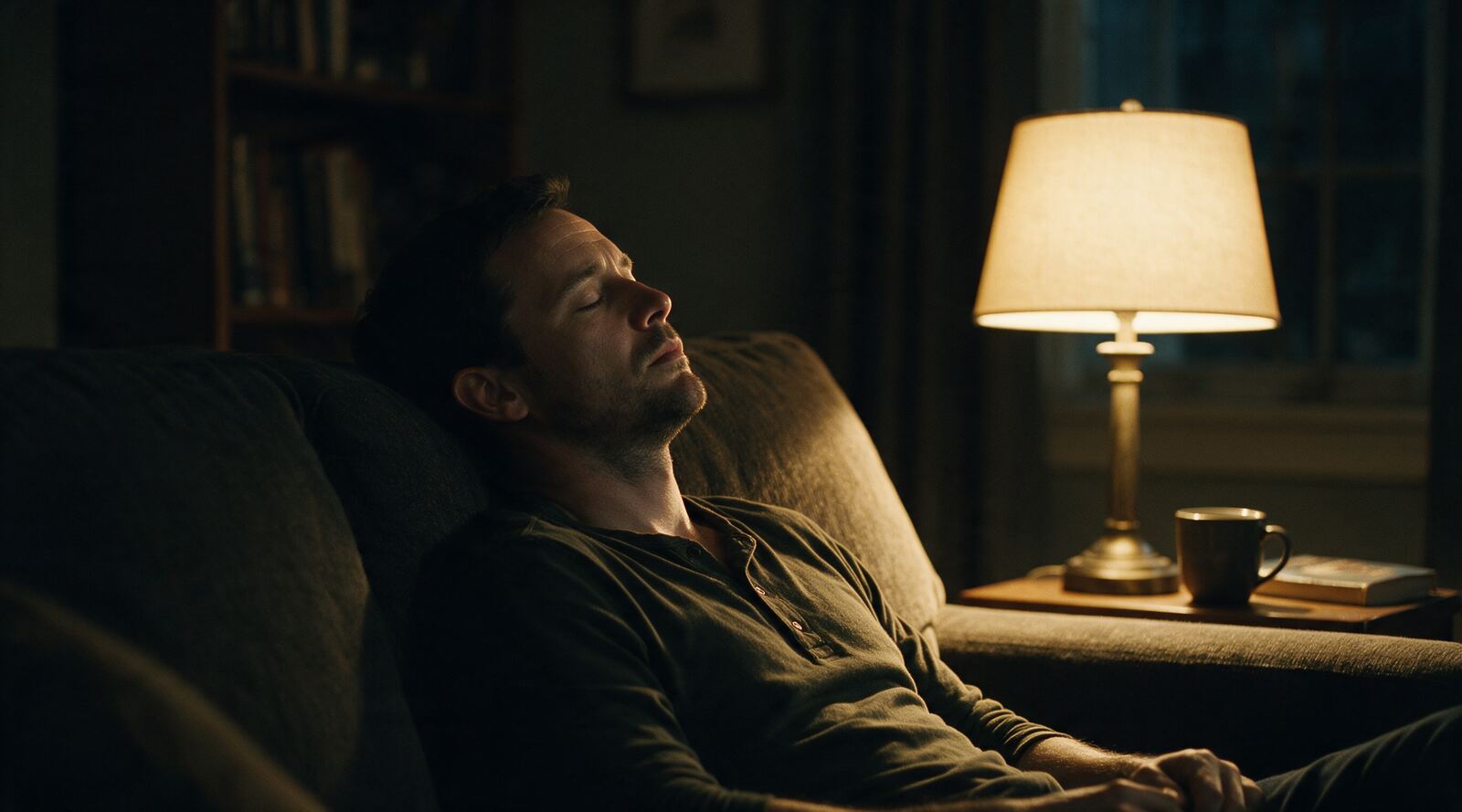
We work with the organisation and the people inside it, including the pressures they face outside work.
What are your numbers not telling you?
You told us you have 750 people. Left unseen, that could cost you $2.8M–$5.1M a year.
What is that doing to you as a leader?
Take the Pressure Test →A few minutes, free and confidential.